It is common knowledge that Kenya Airways was born in 1977. However, it wasn’t just ‘launched’ into existence like any other company. Let me explain.
As early as 1945, the British colonies of East Africa – Kenya, Uganda and Tanzania – saw that there was need to create an aviation infrastructure which would link up this quiet part of the world to Southern Africa, Belgian Congo, Northern Africa, and of course, England. Therefore, through an Act of legislation called the East African Air Transport Order in Council of 1945, the East African Air Transport Authority was created. Its mandate was majorly to make regulations for the issuance of air service licences for public air transportation services. However, in 1947, following another Act of legislation, the functions of the East African Air Transport Authority were transferred to East African High Commission.
Sometime around the end of 1945 and early 1946, the four East African territories (Kenya, Uganda, Tanganyika and Zanzibar) incorporated the East African Airways Corporation, also known as East African Airways. This new airline began operation on 3rd April 1946 after acquiring six De Havilland DH89 Dragon Rapide aircraft from the British Overseas Airways Corporation (BOAC), from whom they also received management and technical expertise.
Later on, in March of 1948, East African Airways acquired and deployed additional aircraft, this time, of the Lockheed 18-56 Lodestar type. Then as the decade faded into the next, the airline acquired DC-3 aircraft, as passenger traffic and demand for air cargo increased tremendously.
And as the member states of the East African territories gained independence in the 1960s, East African Airways was well into international routes, to Khartoum, to Johannesburg, to Karachi, to Aden, to Bombay, to Rome and even to London. In fact, international routes accounted for 70% of the airlines revenue. But locally, things were beginning to fall apart.
The independence of the member states further widened the growing discontentment within the individual governments running the airline. The Governments demanded an African representation within the Board of management, which all this time had been entirely European. The membership of the Board would include 2 members from each country, according to the East African Airways Act 0f 1963.
East African Airways started sinking into financial woes during this time. Before then, the airline had stayed afloat easily since it had the financial backing of the British Overseas Airways Corporation (BOAC). But after independence, when the member states demanded the exit of European personnel in the Board of management in favour of African representation, BOAC decided to withdraw its invested capital and demanded to be paid what it had termed as loan stock.
This loan was cleared in three years, and as the 1970s came around, the airline had resorted to heavy public borrowing. By 1974, the airline was clearly making losses, even on its once prestigious international routes.
Political tensions were also brewing between the Kenyan, Ugandan and Tanzanian governments. Following the coup in Uganda in 1971, the three member states went into full ‘every-man-for-himself’ mode. And in 1976, when the Kenyan Government banned Ugandan captains from being in command of flights within Kenyan airspace, then fired 123 Ugandan engineers working at the then Embakasi Airport, Uganda retaliated by holding its remittances to the airlines headquarters in Nairobi.
By December 1976, it had started becoming obvious that the airline would shut down its operations if it could not come up with a solution for its financial struggles. And so rumors began circulating that Tanzania and Uganda were mulling over the idea of creating their own airlines.
On the 26th of January, 1977, the Kenyan Government issued a directive that the airline would have to pay for its landing fees in advance. And apparently, the next day the Government grounded all East African Airways planes parked in Kenya for non-payment of landing fees. And again on the day following this crisis, the fuel company Shell also cut off its fuel credit to the airline, demanding settlement of its bills first.
Therefore, with no more money being put up to rescue the dying airline, the Kenyan Government issued a statement that it could no longer continue funneling funds into an airline “that has not been allowed to operate efficiently and economically as provided for by the treaty for East African cooperation”.
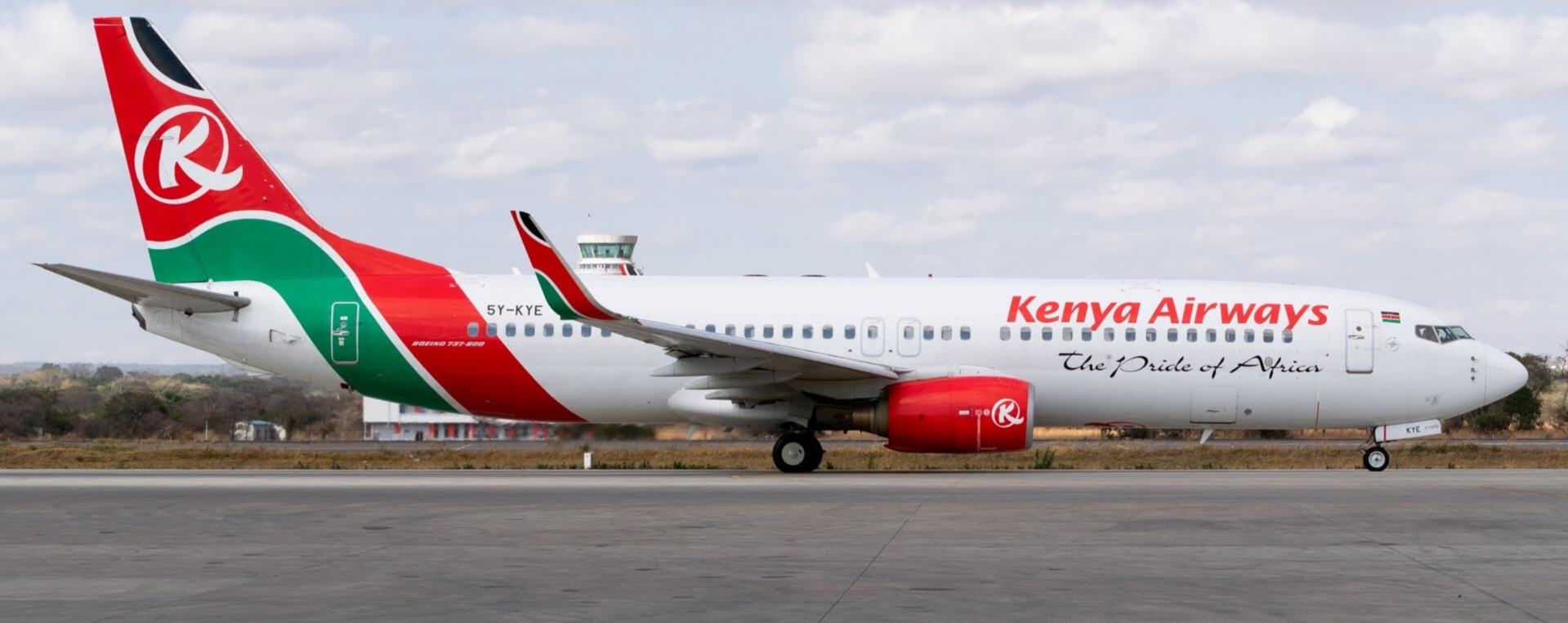
And on the 4th of February, 1977, the Kenyan Government announced the formation of its own national airline – Kenya Airways.